Gathering Your Tools and Preparing for the Job
Before you begin, gather the necessary tools. Having everything ready will make the process smoother and safer. Consider this your pre-operation checklist! You'll need:
- A new drive belt: This is the most important item! Ensure it's the correct replacement for your lawn tractor model (check your owner's manual). Getting the wrong belt is like trying to fit a square peg in a round hole – it won't work and may damage your equipment.
- Socket wrench set: You'll likely need a range of sizes.
- Screwdrivers: Both Phillips head and flathead.
- Needle-nose pliers: Helpful for maneuvering the belt.
- Torque wrench: Absolutely crucial for safely reattaching the mower blades. This ensures they are tightened to the correct specification, preventing potential damage and injury.
- Work gloves: Protect your hands!
- Clean work area: Provides ample space for easy maneuverability.
Finding the correct replacement belt is key. Your owner's manual will list your lawn tractor's model and serial number. Use this information to find the exact replacement belt online or at your local hardware store. Do not guess! Using the wrong belt can lead to damage and additional repairs. For more detailed instructions, see this helpful guide on John Deere belt replacement.
Safety First: Prioritize Your Well-being!
Before you even start, disconnect the spark plug wire. This is your safety "off" switch, preventing accidental engine starts. It may seem obvious, but it’s the most important step. A surprise engine start could lead to serious injury. Remember, safety precautions are not optional; they're essential.
Disassembling Your Lawn Tractor: A Step-by-Step Approach
Now for the disassembly. Take your time and pay attention to detail:
- Mower Deck Removal: Carefully remove the mower deck. Your owner's manual provides model-specific instructions. Expect bolts or clips that may be stubborn, so use the right tools.
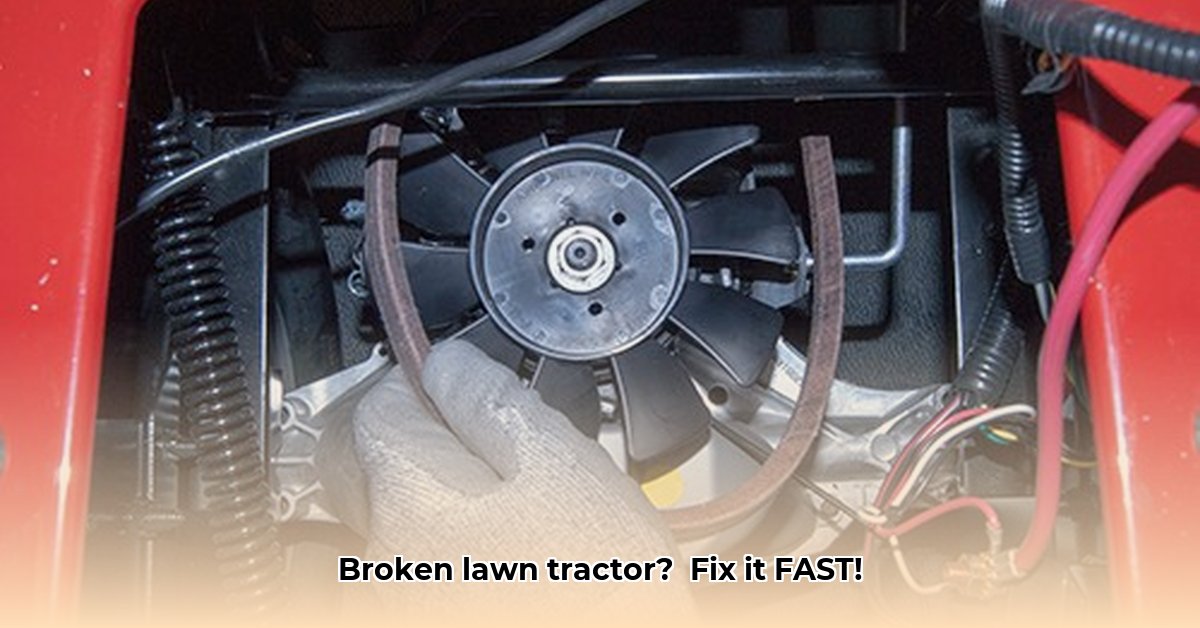
- Locate the Old Belt: Identify the old drive belt. Take photos of its routing before removing it. These photos will be invaluable during reassembly.
- Belt Removal: Gently remove the old belt using your pliers. It might be snug, so take your time and avoid yanking.
Installing the New Belt: A Precise Procedure
With the old belt removed, it's time for the new one:
- Inspect the New Belt: Before installation, visually inspect the new belt for any damage.
- Belt Routing: Refer to your previously taken photos. Carefully route the new belt around the pulleys, following the same path as the old belt. Accurate routing is crucial for proper function. Double-check each pulley to ensure the belt is seated correctly.
- Deck Reattachment: Reattach the mower deck, using your torque wrench to tighten the bolts to the manufacturer's specified torque (found in your owner's manual). This ensures a secure and safe reattachment of the deck. A loose blade is not just inefficient; it's also dangerous.
Reassembly and Testing: The Final Steps
The following steps will verify your work and ensure the drive belt is correctly fitted.
- Reconnect the Spark Plug Wire: Reconnect the spark plug wire. Never skip this essential safety step.
- Start the Engine: Start the engine and carefully listen for unusual noises. Any grinding or squealing suggests a problem.
- Test Blade Engagement: Engage the blades and let the engine run for a short time, observing the belt's performance. It should drive the blades smoothly without slipping or making noises.
Troubleshooting Common Issues
Even with careful execution, some problems may arise:
- Belt Slips: This indicates that the belt isn't properly routed. Carefully double-check your work and re-route the belt as needed.
- Belt Breaks Easily: Several factors might be at play; the wrong belt size, damaged pulleys, or an obstruction in the pulley system. If this issue persists, professional help may be needed.
Remember, this is a general guide. Your lawn tractor model may have specific quirks. Always consult your owner's manual for detailed, model-specific instructions. If you're ever doubtful, seek professional assistance. But with patience and care, this is a manageable DIY task.
Key Takeaways:
- Replacing a lawn tractor drive belt is a manageable DIY project.
- Safety is paramount! Always disconnect the spark plug wire before starting.
- Using the correct belt size is vital for proper operation.
- Torque wrench usage is essential for safe blade reattachment.
- Consult your owner's manual for model-specific instructions and torque specifications.